

World Lizard Day: Meet the Lizards of America’s National Parks
Robert DeckerFrom colorful collared lizards racing across the desert to brilliant blue-tailed skinks disappearing into an Appalachian forest, some of the most fascinating wildlife in our national parks is hiding right at our feet.
August 14 is World Lizard Day, a perfect excuse to celebrate one of the most diverse—and sometimes overlooked—groups of animals living in America’s national parks. The National Park Service is even marking World Lizard Day with special educational programming this year.
I’ve spent more than 50 years exploring and photographing America’s national parks, and while the mountains, canyons, waterfalls and wildlife usually command our attention, sometimes the most interesting discoveries are much smaller.
Lizards are a perfect example.
From the painted deserts of Arizona to the forests of Tennessee and North Carolina, our national parks protect an extraordinary variety of reptiles. Some are brightly colored. Some are incredibly fast. Some can disappear into a crack in the rocks before you even realize they were there.
And one is even venomous.
So, in honor of World Lizard Day, here are a few national parks where you might want to keep an eye on the rocks, trails and desert floor.
Petrified Forest National Park, Arizona
Collared Lizard
There couldn’t be a better ambassador for World Lizard Day than the collared lizard—and that’s why one photographed at Petrified Forest National Park makes such a great cover image for this story.
With its brilliant greens, yellows and blues and the distinctive dark bands around its neck, the collared lizard can look almost prehistoric against Petrified Forest’s colorful badlands and ancient petrified wood.
And these lizards have another great trick: when startled, they can actually run on their two back legs for short bursts. According to the National Park Service, running bipedally helps collared lizards accelerate quickly as they make their escape. The NPS rather perfectly describes them as looking like colorful miniature dinosaurs.
Considering that Petrified Forest preserves a landscape filled with fossils from more than 200 million years ago, a tiny dinosaur-like lizard racing through the park seems especially appropriate.
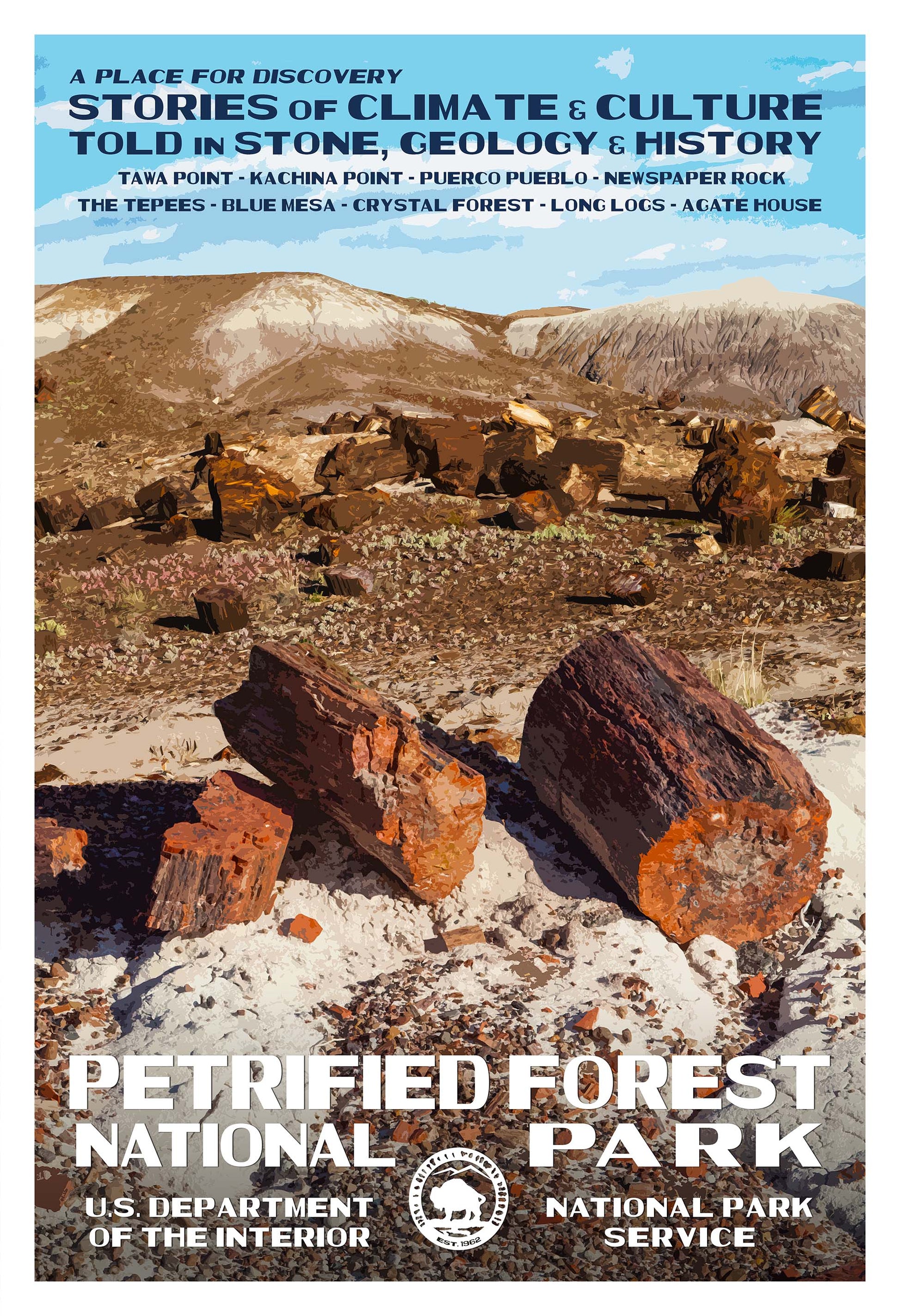
Petrified Forest National Park — WPA-style artwork by Rob Decker.
Saguaro National Park, Arizona
Gila Monster
If there were an award for America's most unforgettable lizard, the Gila monster would certainly be a contender.
Its black-and-orange or pink patterned skin looks almost beaded, and unlike most American lizards, the Gila monster is venomous. The National Park Service notes that it is one of only two venomous lizard species in North America—and the only one found in the United States.
Saguaro National Park, surrounding Tucson in Arizona's Sonoran Desert, is prime Gila monster country.
Seeing one in the wild is something to remember, but this is definitely a look-don't-touch encounter. Give the animal plenty of space and never attempt to handle or disturb it.
Against a landscape of towering saguaros, prickly pear cactus and rugged desert mountains, the Gila monster seems perfectly designed for the Sonoran Desert.
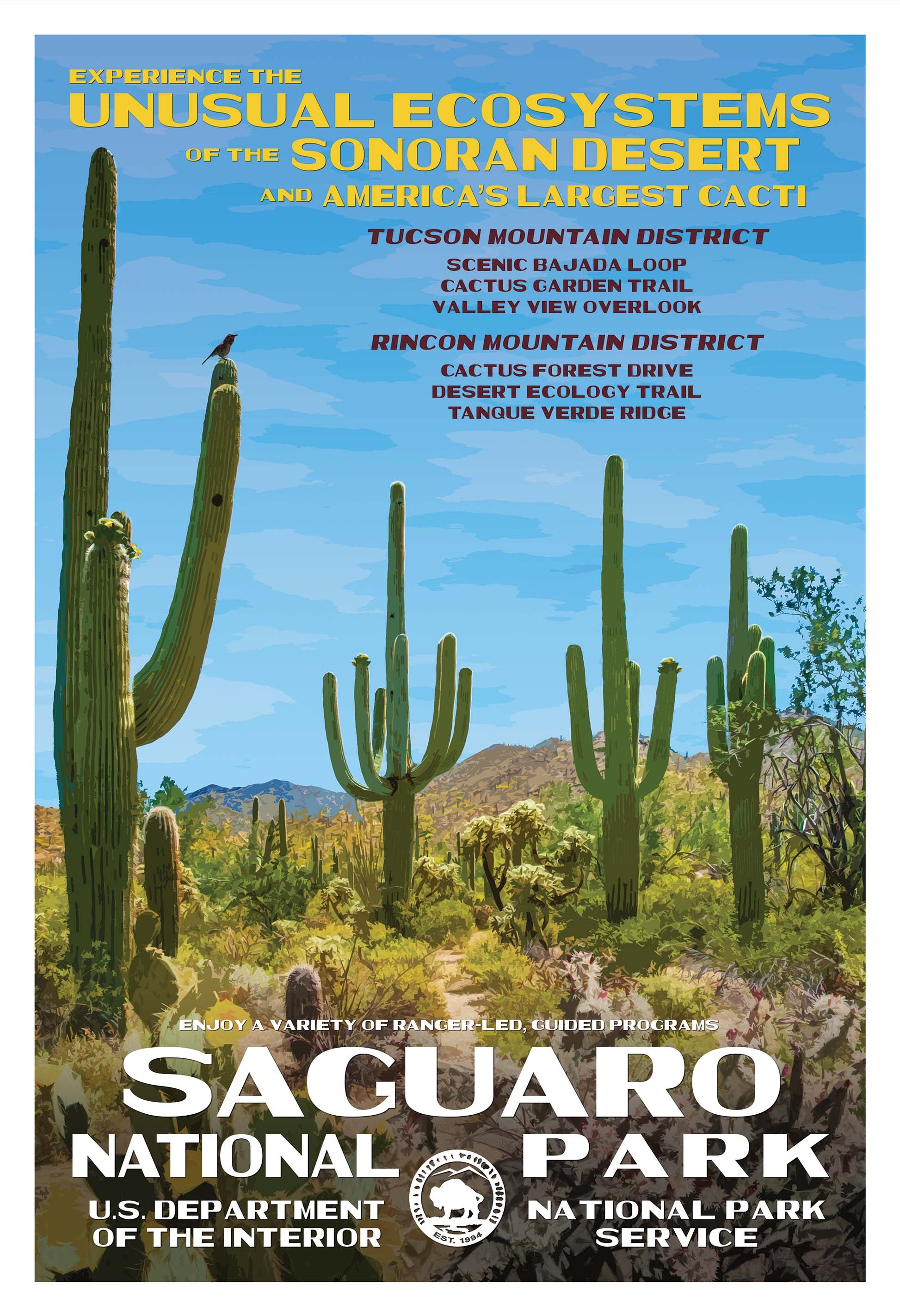
Saguaro National Park — one of the great reptile habitats of the American Southwest.
Joshua Tree National Park, California
Desert Iguana and Chuckwalla
Joshua Tree may be famous for its namesake trees and enormous granite formations, but there's an entire world moving across the desert floor.
In fact, 18 species of lizards live in Joshua Tree National Park.
Two especially interesting residents are the desert iguana and the wonderfully named chuckwalla.
They've even divided up the neighborhood.
The National Park Service notes that desert iguanas are typically associated with the open desert flats, while chuckwallas favor rocky areas. It's a great example of different species adapting to separate niches within the same desert ecosystem.
Chuckwallas are particularly fun to spot around rocky terrain. Their chunky bodies may not make them look especially athletic, but they're superbly adapted to life among boulders and crevices.
Joshua Tree is a reminder that a seemingly empty desert is anything but empty.
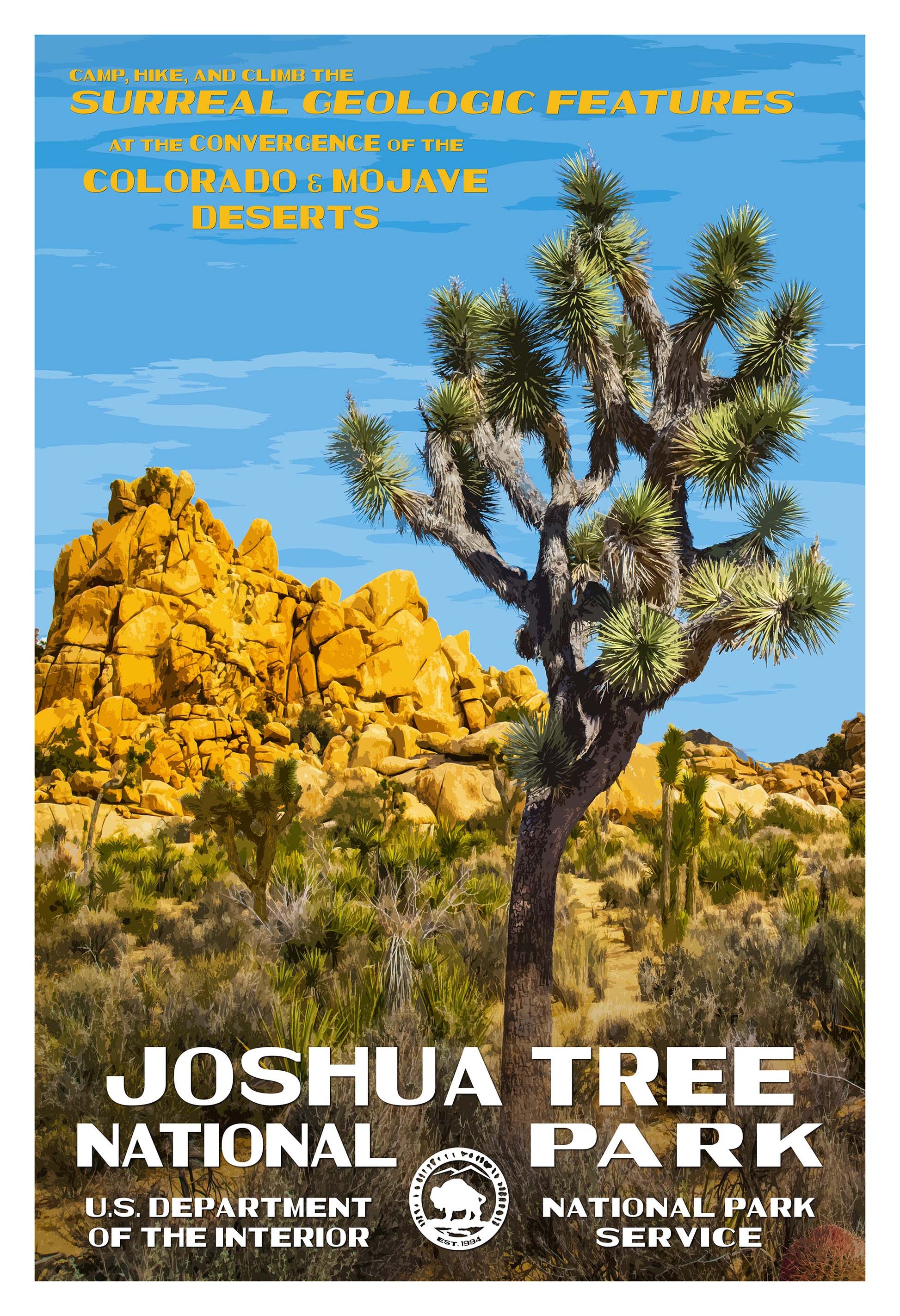
Joshua Tree National Park — where the Mojave and Colorado desert ecosystems meet.
Death Valley National Park, California
Zebra-Tailed Lizard
How does a small lizard survive in one of the hottest and driest places on Earth?
Very carefully.
Death Valley National Park supports a surprisingly diverse collection of reptiles, including chuckwallas, desert iguanas, night lizards, fringe-toed lizards and the distinctive zebra-tailed lizard.
The National Park Service reports that zebra-tailed lizards favor sandy and gravelly areas near dunes and washes. They can also be seen along roads during mornings in spring, summer and fall.
For visitors accustomed to thinking of Death Valley as an almost lifeless landscape, spotting a lizard darting across the desert can be a wonderful reminder of just how adaptable wildlife can be.
Life has found some remarkable ways to survive here.
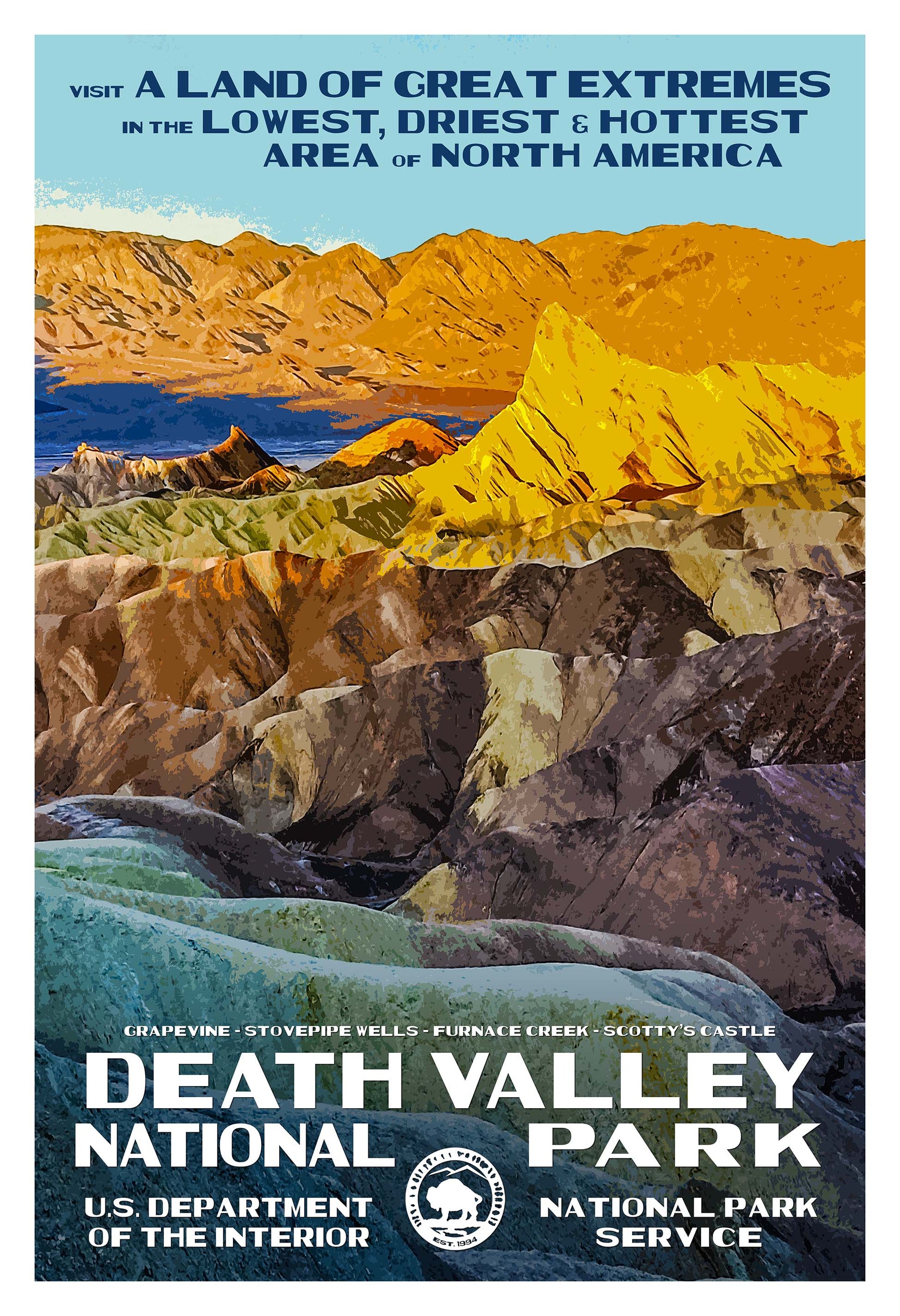
Death Valley National Park — a land of extremes with a surprising diversity of life.
Zion National Park, Utah
Plateau Lizard
You don't have to venture far into Zion's backcountry to encounter one of its most common reptiles.
The plateau lizard is actually the most common lizard in Zion National Park and is frequently seen along trails in Zion Canyon.
It's also Zion's smallest lizard.
Look closely and you may notice distinctive patches of blue along its underside. Plateau lizards feed on a wide assortment of insects, including beetles, moths, butterflies and wasps.
With Zion's towering sandstone walls stealing most of the attention, it can be easy to walk right past these tiny residents.
World Lizard Day is a good reminder to occasionally stop looking up—and start looking down.
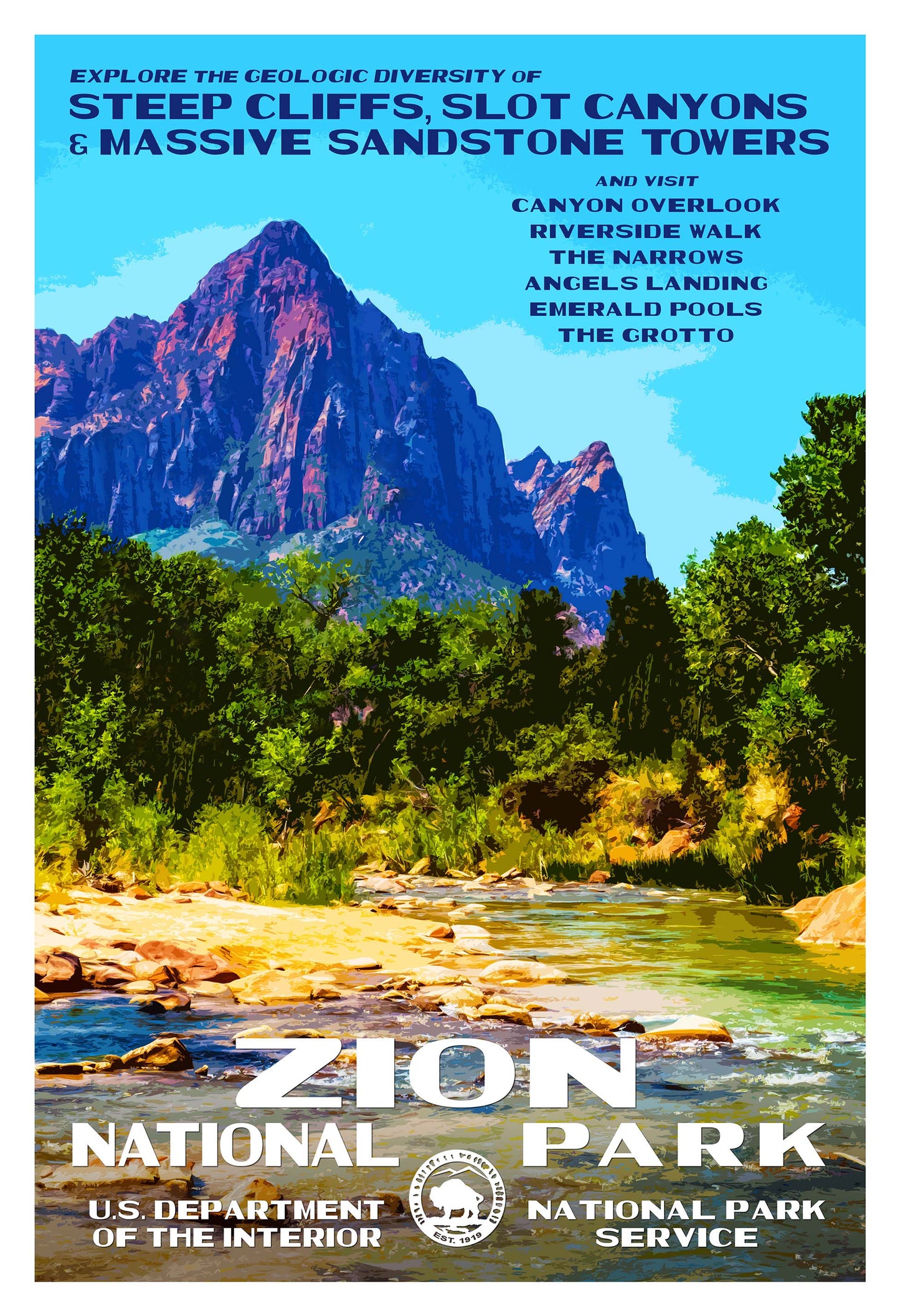
Zion National Park — massive sandstone cliffs above, tiny plateau lizards below.
Big Bend National Park, Texas
Greater Earless Lizard
Big Bend National Park is lizard country.
The park protects 22 different species of lizards, and visitors commonly encounter whiptails, spiny lizards and earless lizards while exploring the Chihuahuan Desert.
One of the park's most colorful residents is the greater earless lizard.
Male greater earless lizards can display striking pink and green coloration around their midsections, particularly during breeding season. And yes—the name really does mean what it sounds like. These lizards have no external ear openings.
They're exceptionally tolerant of heat and occur throughout Big Bend, from the Rio Grande floodplain to the foothills of the Chisos Mountains.
If you're walking the Window Trail and hear something rustling through the vegetation beside you, there's a good chance a lizard got there before you did.
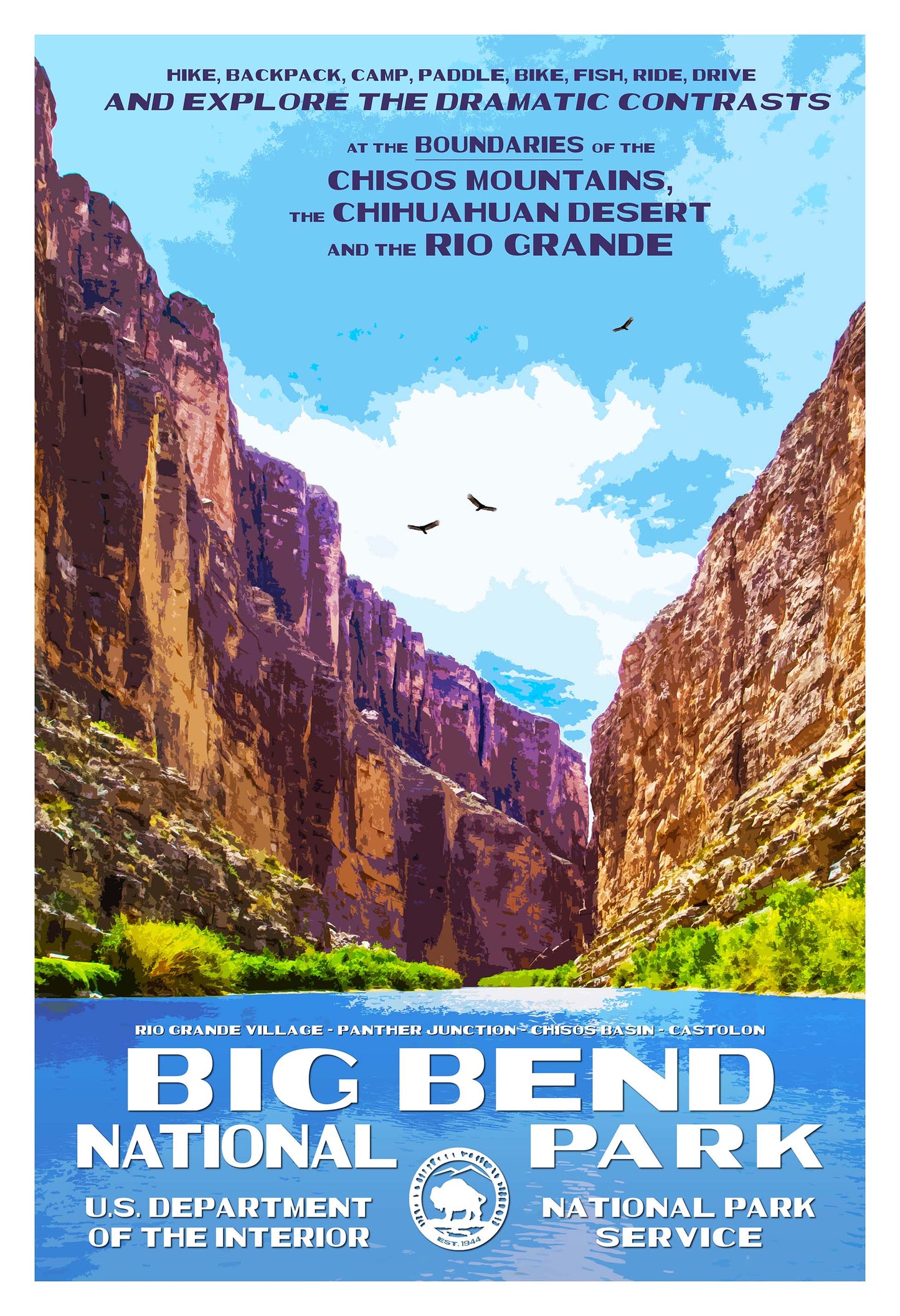
Big Bend National Park — where the Chihuahuan Desert, Chisos Mountains and Rio Grande come together.
Great Smoky Mountains National Park, Tennessee & North Carolina
Five-Lined Skink
Lizards aren't just creatures of the desert.
Travel east to Great Smoky Mountains National Park and you'll find nine different species of lizards living among the forests, rocky slopes and fallen logs of the Southern Appalachians.
One of the most commonly encountered is the five-lined skink.
These sleek little lizards are named for the five light-colored stripes running along their bodies. Younger five-lined skinks are especially striking, with brilliant blue tails that can make them surprisingly easy to notice—at least for the second or two before they disappear beneath a rock or log.
The National Park Service describes the five-lined skink as one of the most common lizards in the eastern United States.
It's a nice reminder that World Lizard Day isn't simply a celebration of desert wildlife. Lizards have adapted to environments ranging from scorching desert basins to cool Appalachian forests.
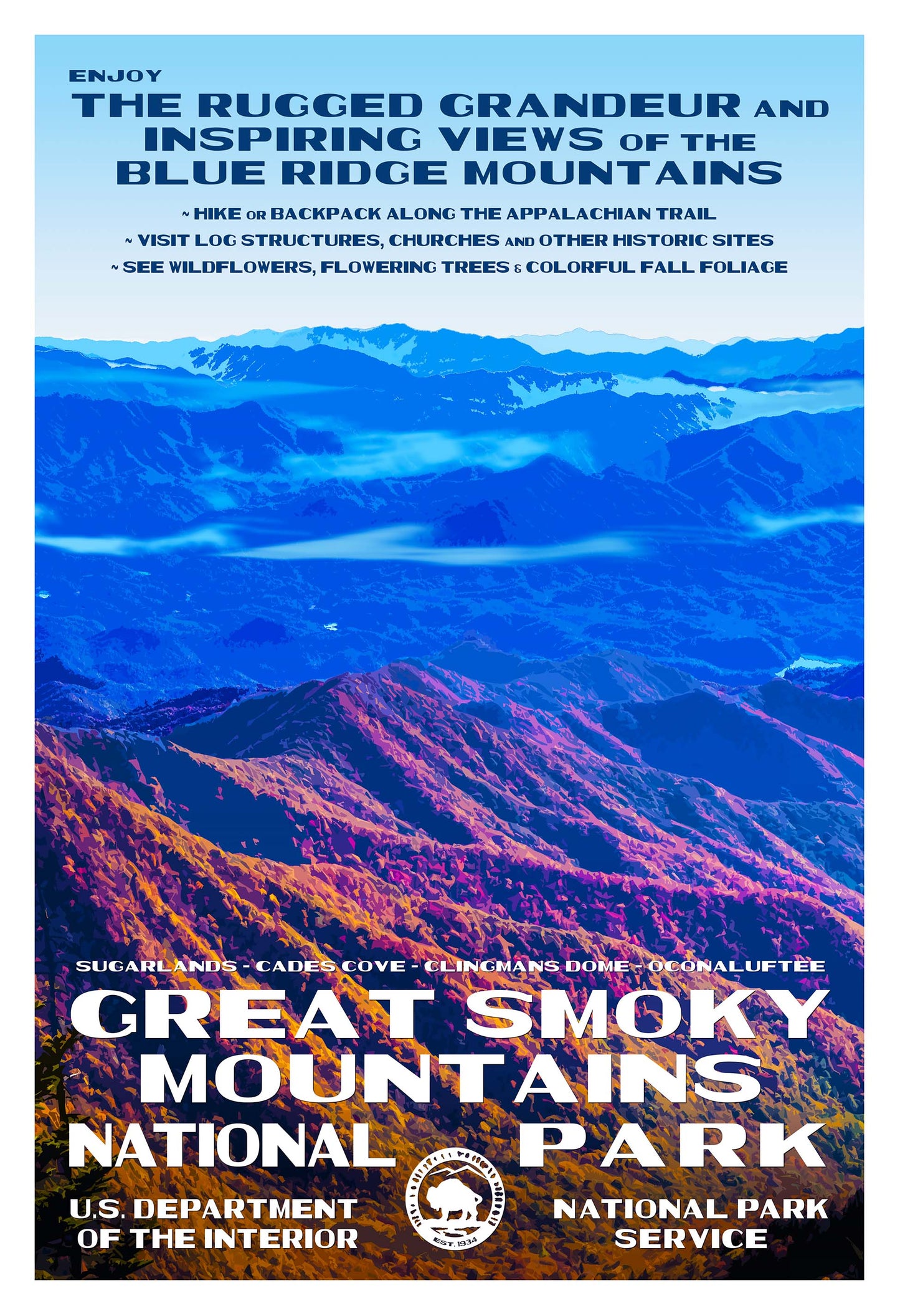
Great Smoky Mountains National Park — proving that great lizard habitat doesn't always come with cactus.
How to Spot Lizards in a National Park
Lizard watching doesn't require much equipment—mostly patience and a willingness to slow down.
Pay attention to rocks, trail edges, logs, sandy washes and sunny openings. Rather than chasing a lizard for a closer photograph, stop and watch. Often, if you remain still, you'll get a much better look at its natural behavior.
And always give wildlife plenty of room.
The National Park Service's guidance is simple: don't touch, feed or harass wildlife. If an animal changes its behavior because of your presence, you're too close. Individual parks may also establish specific minimum viewing distances, so always follow local regulations.
For photographers, a telephoto lens is a much better tool than getting physically closer.
Celebrate the Little Things
National parks have a way of making us think big.
Half Dome. The Grand Canyon. Zion's cliffs. Giant saguaros. Endless desert horizons.
But these landscapes are also made extraordinary by the thousands of smaller creatures that call them home.
A collared lizard racing across Petrified Forest.
A Gila monster wandering beneath the saguaros.
A chuckwalla tucked into the rocks at Joshua Tree.
A blue-tailed skink disappearing into the forest in Great Smoky Mountains.
They're all part of the story.
So this World Lizard Day, whether you're hiking through a national park or simply dreaming about your next adventure, take a moment to appreciate the smaller wild things.
Sometimes the best national park discoveries are only a few inches tall.
Bring the Parks Home
Each of my National Park Posters begins with my own photography and is transformed into artwork inspired by the classic WPA-era park posters of the 1930s and '40s. The posters are printed in Colorado on “Conservation” 100% recycled paper with soy and vegetable-based inks, and 10% of annual profits are donated to organizations that help protect America's national parks. (National Park Posters)
Explore the National Park Poster Collection and celebrate the places—and wildlife—that make America's national parks worth protecting.