

Best Things to do in Yosemite National Park
Robert Decker7 Best Things to Do in Yosemite National Park
Granite cliffs, giant sequoias, thundering waterfalls, alpine lakes, legendary climbing walls, and more than 1,100 square miles of Sierra Nevada wilderness—Yosemite is the kind of national park you could visit for a lifetime and still discover something new.
For me, Yosemite is much more than another beautiful park. I first visited as a child, and in the summer of 1979, when I was 19 years old, I had the extraordinary opportunity to study photography here under Ansel Adams. I've returned many times since—to photograph, hike, backpack, camp, and simply spend time in a landscape that continues to inspire my work.
Whether this is your first Yosemite trip or your tenth, these are some of the best ways to experience the park.
Yosemite at a Glance
- Best overall activity: Hiking
- Signature landscapes: Half Dome, El Capitan, Yosemite Falls, and Yosemite Valley
- Best for adventure: Backpacking and rock climbing
- Best family activity: Ranger and Junior Ranger programs
- Best quieter pursuit: Birdwatching
- Best summer cooldown: The Merced River
- Best surprise: Yosemite in winter
1. Hike Into Yosemite
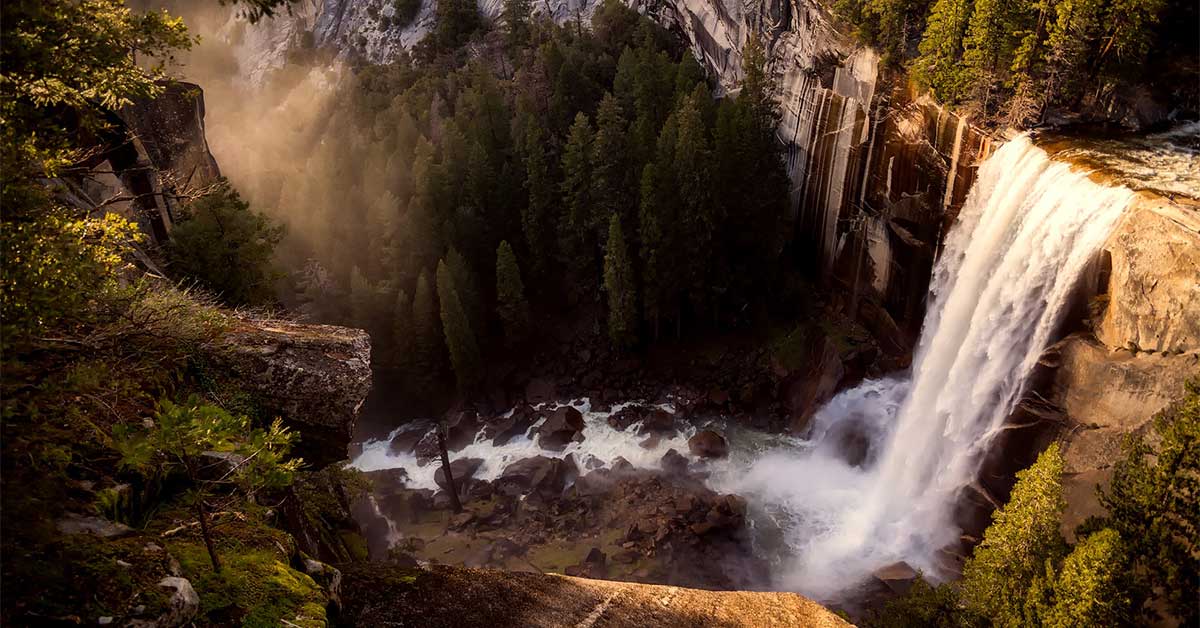
If you really want to understand Yosemite, start walking.
Nearly 95% of Yosemite National Park is designated wilderness, and its trail system takes you from easy Valley walks to granite viewpoints, waterfalls, alpine meadows, lakes, giant sequoia groves, and some of the most spectacular backcountry in the Sierra Nevada.
The beauty of hiking here is the range of possibilities. You don't need to tackle Half Dome to have an extraordinary day.
Choose Your Yosemite Hike
- Easy: Cook's Meadow, Lower Yosemite Fall, and portions of the Valley Loop
- Moderate: Vernal Fall Footbridge, Mirror Lake, and many Glacier Point-area trails
- Strenuous: Upper Yosemite Fall, Four Mile Trail, and routes into the high country
- Bucket-list: Half Dome, when the cables are up and with the required permit
Don't measure a Yosemite hike only by mileage. Elevation, altitude, heat, snow, and exposure can turn a seemingly modest distance into a serious outing. Check current trail conditions before you go.
2. Go Backpacking in the Yosemite Wilderness
Day hiking gives you a taste of Yosemite. Backpacking lets you disappear into it.
Once you leave Yosemite Valley and move deeper into the high country, the park changes dramatically. Crowds thin out. Granite basins open up. Lakes appear between ridges. Nights become darker and quieter.
This is the Yosemite I have especially loved exploring over the years.
Wilderness permits are required for all overnight backpacking trips in Yosemite. Popular trailheads have daily quotas, so advance planning is important.
For photographers, backpacking also gives you something particularly valuable: the chance to be in beautiful places during the best light rather than having to race back to the car.
3. Experience One of the World's Great Rock-Climbing Destinations

Few places are as closely associated with rock climbing as Yosemite.
El Capitan alone has become an international symbol of big-wall climbing, while Half Dome and countless other granite formations have helped shape climbing history and culture for generations.
You don't have to be a climber to appreciate it.
Stop near El Capitan Meadow, look toward that enormous granite wall, and see if you can spot tiny climbers hundreds—or thousands—of feet above the Valley floor. It gives you an entirely new appreciation for the scale of the place.
Yosemite is serious climbing country. Check current route closures and regulations before heading out. A free wilderness climbing permit is required for overnight big-wall climbs.
4. Slow Down Along the Merced River

Not every Yosemite adventure needs to involve thousands of feet of elevation gain.
The Merced River runs right through Yosemite Valley and provides one of the most relaxing ways to experience the park—whether you're walking along its banks, photographing reflections, fishing, or floating permitted sections when river conditions allow.
On a calm morning, the river can become a mirror for Yosemite's cliffs and forests. From a photographer's perspective, those quiet moments can be every bit as memorable as the dramatic overlooks.
Yosemite expanded to year-round fishing in most park waters in 2026. Anglers age 16 and older need a valid California fishing license, and special park regulations apply—including barbless artificial lures or flies in several major rivers and tributaries.
River access for floating and boating depends on water levels and specific sections of the Merced, so always check current conditions before making plans.
5. Go Birdwatching

With cliffs, oak woodlands, conifer forests, rivers, wetlands, meadows, and alpine habitat all within one park, Yosemite is remarkable bird country.
More than 165 species regularly migrate, breed, or winter in Yosemite, with many additional species recorded as occasional visitors.
Some of the birds you're likely to encounter include:
- Steller's jays
- American robins
- Acorn woodpeckers
- Common ravens
- Mountain chickadees
- Western tanagers
- American dippers along rivers and streams
Quieter forests and meadows in the morning are especially rewarding.
Put the camera or phone down for a few minutes and simply listen. Bird calls, moving water, wind through the pines, and distant waterfalls are all part of the Yosemite experience.
6. Join a Ranger Program

I've always believed that knowing a little more about a place makes it more interesting.
Ranger walks, talks, demonstrations, and other interpretive programs can introduce you to Yosemite's geology, wildlife, Indigenous history, conservation, plants, art, and human history.
Program schedules change throughout the year, so check the current Yosemite Guide, National Park Service app, or park calendar once you arrive.
Traveling with Kids?
The Yosemite Junior Ranger program is a wonderful way to turn a family trip into an adventure. Kids can pick up a free Junior Ranger handbook at a visitor center, complete activities while exploring the park, and show their finished book to a ranger to receive a badge.
I've spent decades in the parks and still learn something new whenever I hear a ranger interpret a landscape, animal, geological feature, or piece of history.
7. See Yosemite in Winter

Winter turns Yosemite into an entirely different national park.
The crowds thin. Snow settles onto granite ledges and pine branches. Half Dome and El Capitan rise above a much quieter Valley. Even familiar views suddenly feel new.
Depending on snowfall and conditions, winter activities can include:
- Downhill skiing and snowboarding at Badger Pass Ski Area
- Cross-country skiing along winter routes
- Snowshoeing in several areas of the park
- Outdoor ice skating at Curry Village
- Snow tubing at Badger Pass
- Sledding and snow play in designated areas when conditions permit
Tioga Road and portions of Glacier Point Road close seasonally, and tire chains may be required even for four-wheel-drive vehicles. Winter rewards preparation.
But if you're willing to trade some access for solitude, it can be one of the most beautiful times to experience Yosemite.
How Much Time Should You Spend in Yosemite?
You can see Yosemite Valley in a day. But Yosemite deserves more than a day if you can possibly give it one.
If You Have...
- One day: Yosemite Valley, Tunnel View, Yosemite Falls, El Capitan, and an easy hike
- Two days: Add Glacier Point or Mariposa Grove and a longer trail
- Three days: Explore the high country when seasonal roads are open
- Four days or more: Slow down, hike deeper, photograph different light, or plan an overnight wilderness trip
And don't make the mistake of thinking Yosemite Valley is Yosemite National Park. It is spectacular—but it's only a small piece of an enormous park.
When Is the Best Time to Visit Yosemite?
Season by Season
- Spring: Waterfalls at their strongest, mild Valley temperatures, snow lingering in the high country
- Summer: Greatest access to high-country roads and trails, but also the largest crowds
- Fall: Cooler weather, fewer visitors, beautiful light, and quieter trails
- Winter: Snow, solitude, skiing, snowshoeing, and a completely different Yosemite experience
Yosemite Valley can become extremely congested from spring through fall. Arriving early, parking once, and using the park shuttle or walking whenever possible can save a lot of frustration.
Bring Yosemite Home
Yosemite occupies a particularly important place in my life and in the story of National Park Posters.
It's where I studied photography under Ansel Adams when I was 19, and it's a landscape I've returned to again and again over the decades.
Maybe that's why one Yosemite poster was never going to be enough.
Three Yosemite National Park Posters to Choose From


Each design is based on my own relationship with Yosemite and inspired by the bold visual language of the classic WPA-era national park posters.

Love America's National Parks?
Join 125K+ fellow National Park enthusiasts for park stories, travel inspiration, new artwork, special offers, and more.