

Best Things to do in Death Valley National Park
Robert Decker9 Best Things to Do in Death Valley National Park
Death Valley National Park is a place of extremes—and that's exactly what makes it unforgettable.
Spread across more than 3.3 million acres of California and Nevada, Death Valley is the largest National Park in the contiguous United States. It contains the lowest point in North America at Badwater Basin, towering mountain ranges, enormous salt flats, sculpted badlands, sand dunes, volcanic landscapes, historic mining sites, and some of the darkest skies in the country.
And despite the name, Death Valley is very much alive.
Desert pupfish survive in isolated springs. Bighorn sheep roam the mountains. Wildflowers can explode across the desert after favorable winter rains. Oases create pockets of green in an otherwise austere landscape.
My name is Rob Decker, and I'm a photographer and graphic artist who has spent more than 50 years exploring and photographing America's National Parks. I've explored many areas of Death Valley, and it's one of those parks where the scale of the landscape never really translates until you're standing in it.
Death Valley at a Glance
- Established: National Monument in 1933; National Park in 1994
- Size: About 3.37 million acres
- Lowest point: Badwater Basin, 282 feet below sea level
- Highest point: Telescope Peak, 11,049 feet
- Known for: Extreme heat, salt flats, dunes, badlands, geology, photography, and dark skies
- Best overall season: Late fall through spring
The world-record 134°F air temperature was measured at Furnace Creek in 1913, while annual rainfall averages less than two inches.
1. Walk Out Onto Badwater Basin

Badwater Basin is the lowest point in North America at 282 feet below sea level.
The vast white salt flat feels almost otherworldly, especially when you walk away from the parking area and the landscape begins to open in every direction.
A short walk of about a quarter mile takes you onto the salt flat, while longer walks reveal the polygon-shaped salt formations Death Valley is famous for.
During extreme heat, enjoy Badwater from the parking area rather than walking far onto the salt flats. There is virtually no shade.
2. Drive Artists Drive and See Artists Palette
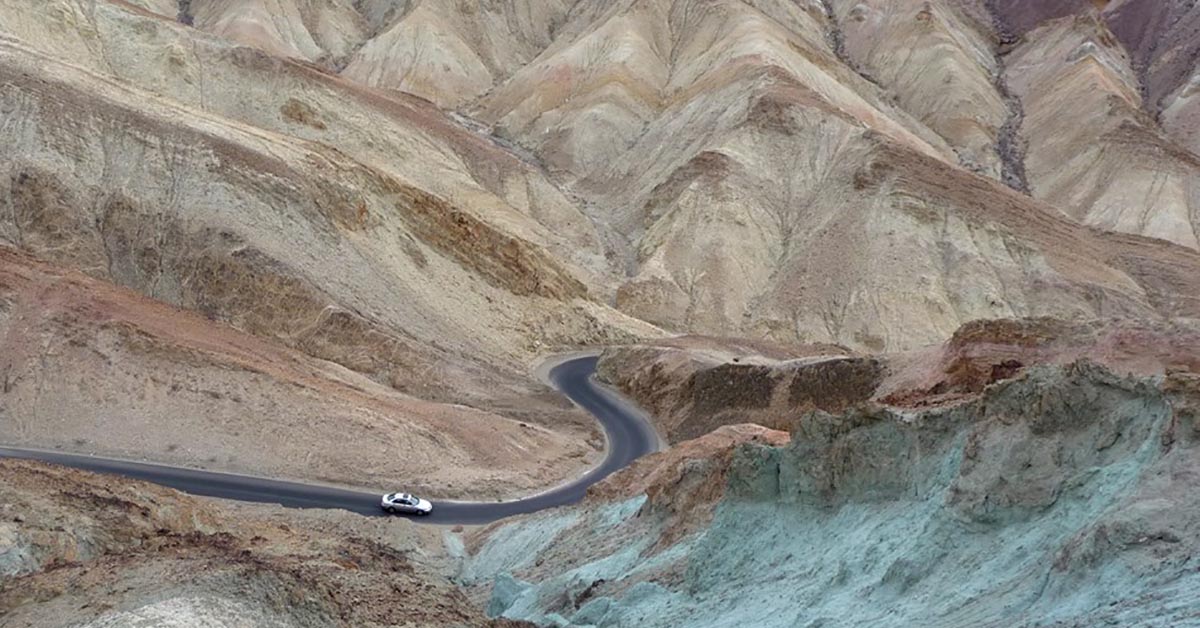
Artists Drive is one of the most colorful scenic drives in the park.
The paved, one-way road winds for about 9 miles through heavily eroded volcanic hills painted in shades of green, pink, lavender, yellow, red, and brown.
The highlight is Artists Palette, where mineral deposits and volcanic materials create an extraordinary patchwork of color across the hillsides.
Afternoon light often brings out the colors of Artists Palette especially well. The road is narrow and winding, so take your time.
Vehicles longer than 25 feet are restricted because of the tight curves and deep dips along the drive.
3. Listen to Devils Golf Course
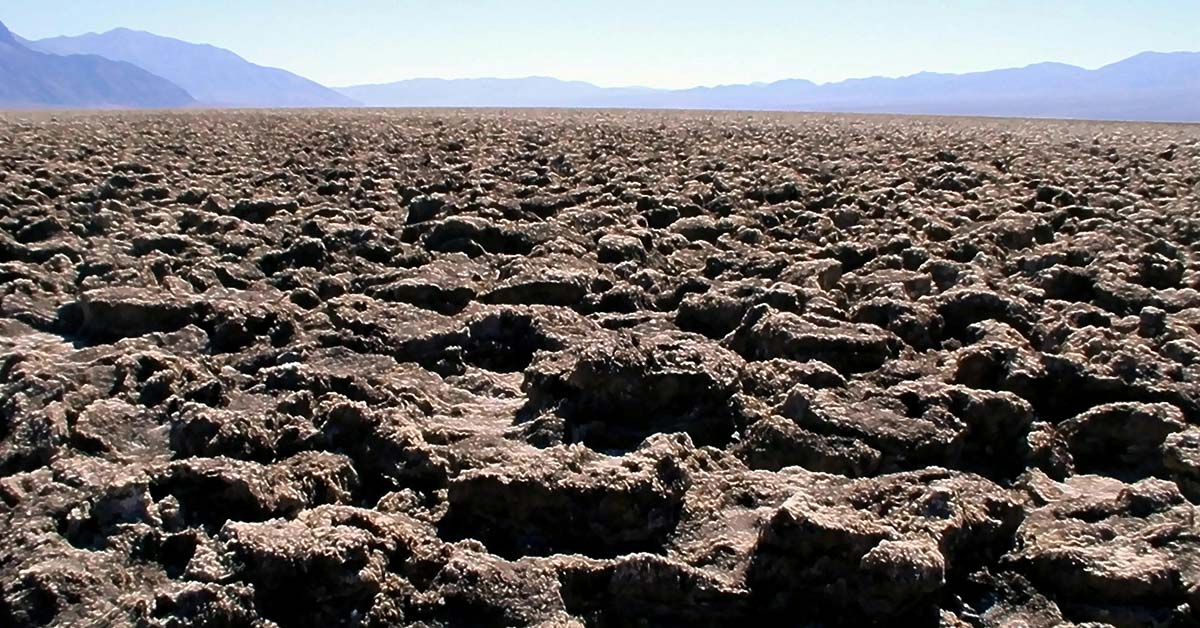
Devils Golf Course is an enormous field of jagged salt formations sculpted by wind, rain, evaporation, and time.
The surface is so rough and sharp that an early park guide joked that only the devil could play golf here—and the name stuck.
Stand quietly and listen.
As temperatures change, salt crystals expand and contract, sometimes producing tiny popping and pinging sounds across the landscape.
The salt formations are extremely sharp and surprisingly fragile. Enjoy the landscape without climbing across delicate formations unnecessarily.
4. Hike Golden Canyon
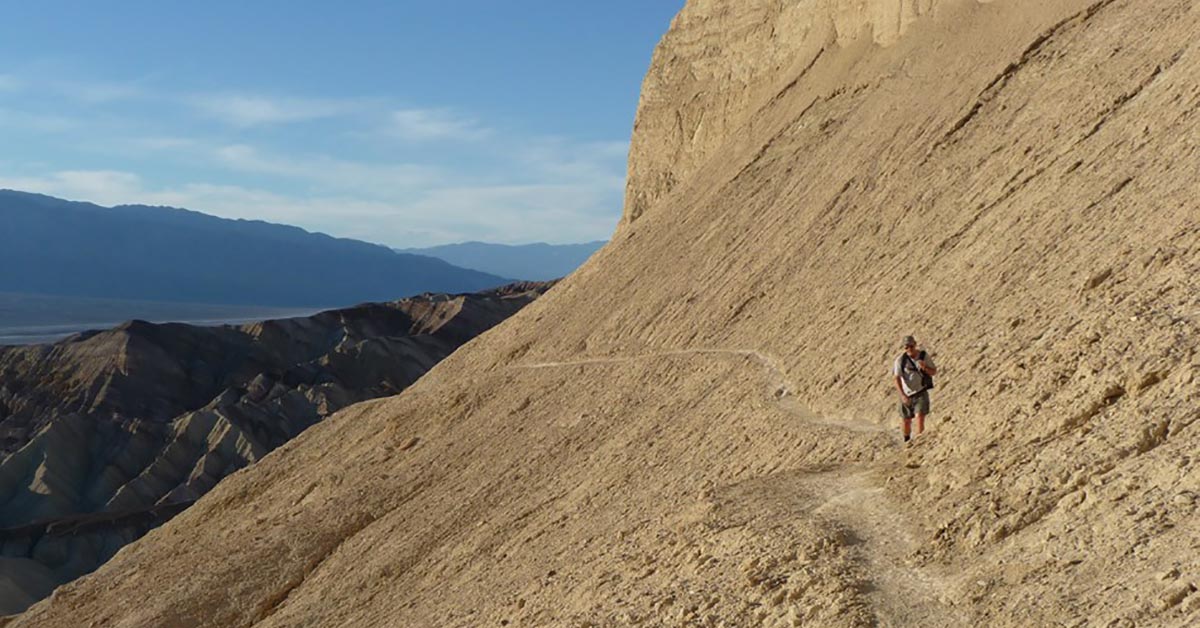
Golden Canyon is one of the best places in Death Valley to get out of the car and walk directly into the park's sculpted badlands.
The basic Golden Canyon route is about 2 miles round-trip, but hikers can extend the trip toward Red Cathedral or combine Golden Canyon with Gower Gulch and Zabriskie Point for routes of up to roughly 8 miles.
The terrain is a maze of golden walls, narrow passages, side canyons, and eroded formations.
The National Park Service advises against hiking Golden Canyon after 10 a.m. during summer. There is very little shade, and temperatures can become dangerous quickly.
5. Watch Sunrise at Zabriskie Point
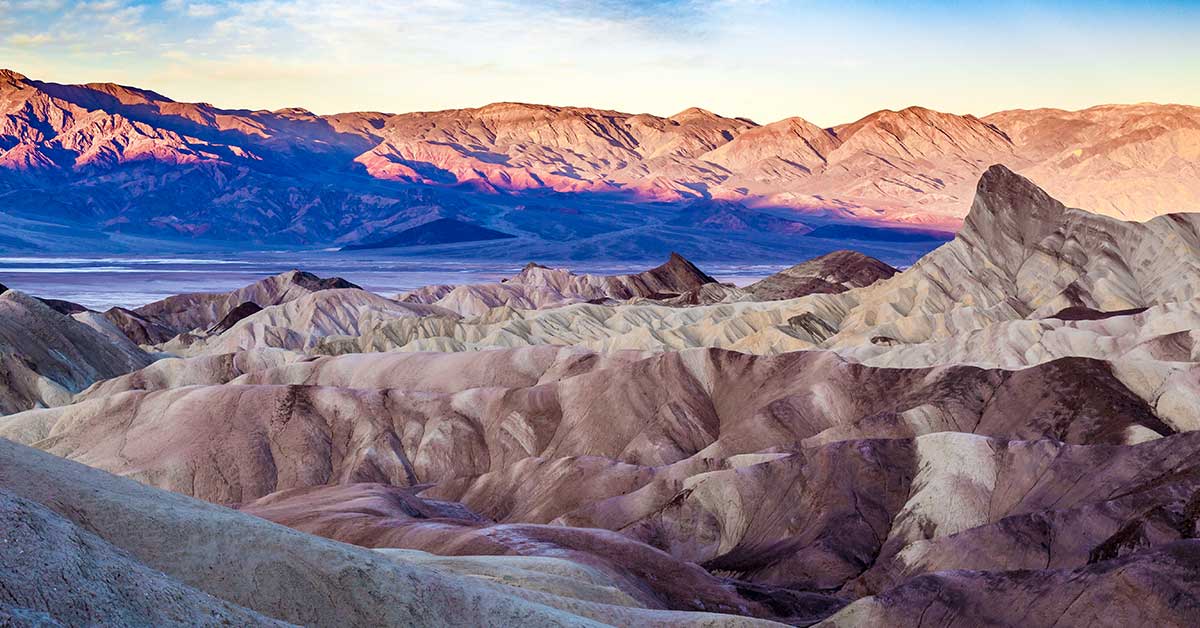
Zabriskie Point is one of Death Valley's most famous viewpoints—and for good reason.
From the overlook, you look across deeply eroded badlands toward Manly Beacon, the Panamint Range, and the broad basin beyond.
Sunrise is especially beautiful as low-angle light begins illuminating the folds and ridges of the Furnace Creek Formation.
You can simply enjoy the overlook or use Zabriskie Point as a trailhead for longer hikes connecting with Golden Canyon, Gower Gulch, and the Badlands Loop.
Get there before sunrise. Some of the most beautiful light can occur before the sun itself clears the horizon.
6. Explore Mesquite Flat Sand Dunes
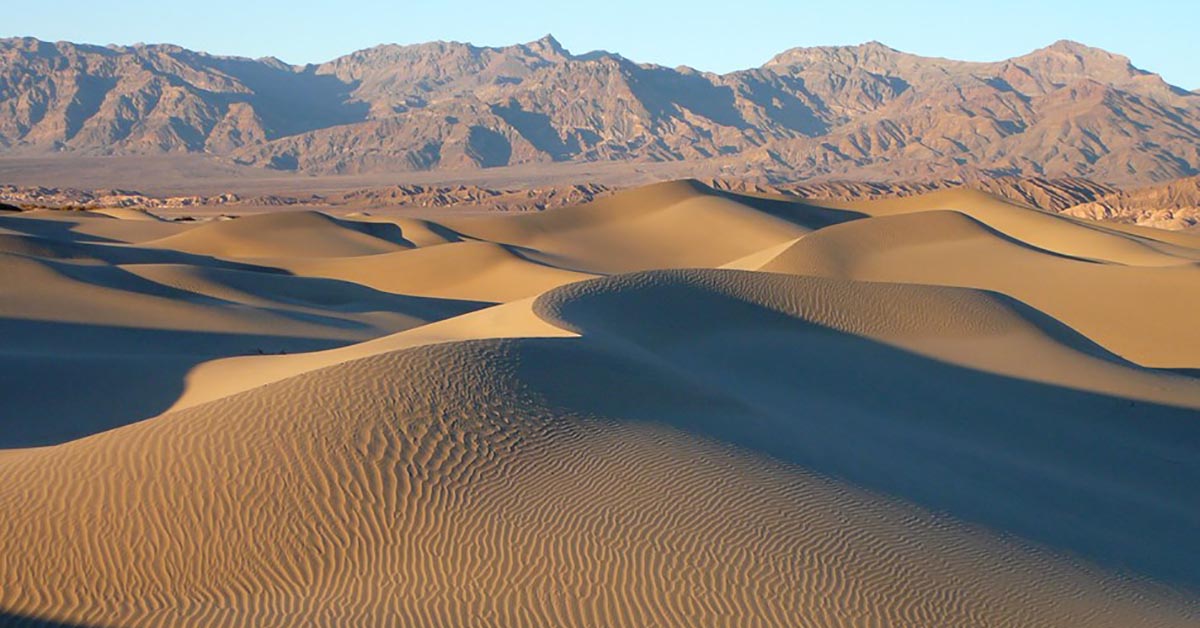
Near Stovepipe Wells, the Mesquite Flat Sand Dunes are the easiest major dune field to reach in Death Valley.
The dunes include crescent, linear, and star-shaped formations, along with areas of cracked clay from an ancient lakebed.
The tallest dune rises about 100 feet, but there's no single trail. You simply choose your direction and walk.
That makes Mesquite Flat especially rewarding for photography.
Sunrise and late afternoon create long shadows that reveal ripples, ridges, footprints, and curves in the sand. After a windy night, you may even find sections with almost no footprints at all.
7. See the Valley From Dantes View
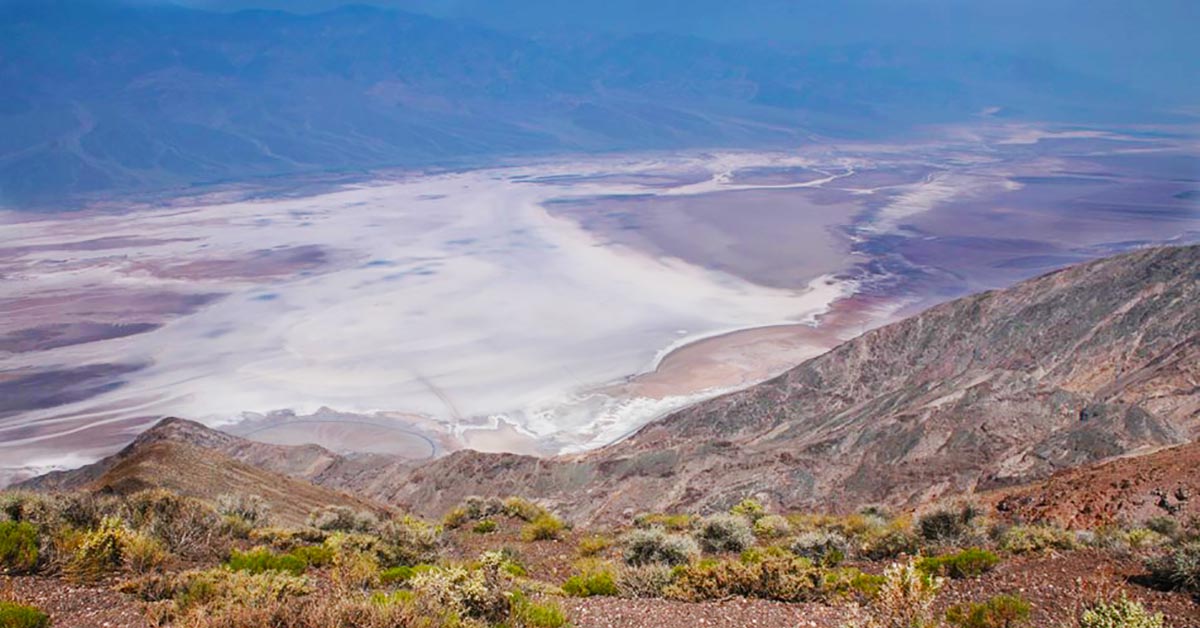
Dantes View provides one of the great panoramic views in the entire park.
At roughly 5,475 feet in elevation, the viewpoint looks down across Badwater Basin and toward the Panamint Range.
The vertical contrast is remarkable: Badwater lies hundreds of feet below sea level while Telescope Peak rises more than 11,000 feet above sea level across the valley.
Sunrise, sunset, and even nighttime visits can be spectacular.
From this part of the park, you can take in one of the most dramatic elevation contrasts in the United States.
8. Step Into Death Valley's Mining History
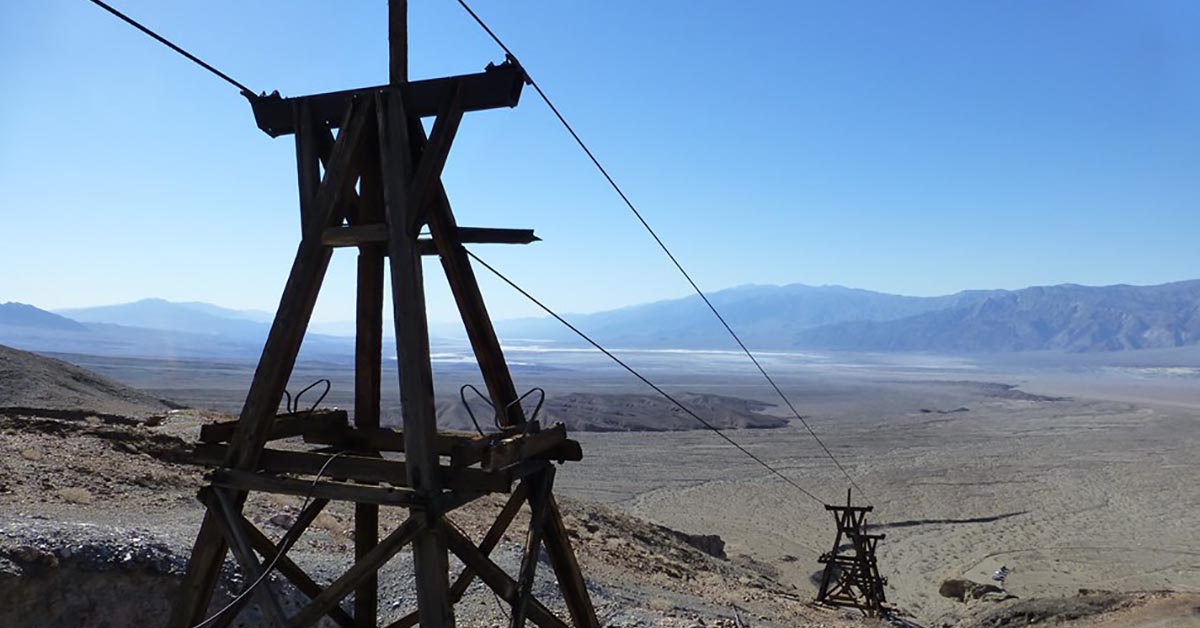
Death Valley's story isn't only geological.
Mining shaped much of the region's more recent human history, and sites such as the Keane Wonder Mine preserve remnants of the early-20th-century search for gold and other minerals.
The Keane Wonder Mine became one of Death Valley's most productive gold mines during its brief operating life and today remains an important historic site.
Historic structures and old mining landscapes throughout Death Valley can be fragile and hazardous, so stay on designated routes and respect closed areas.
9. Stay After Dark
Death Valley doesn't stop being interesting when the sun goes down.
In fact, half the experience may be after dark.
The park is an International Dark Sky Park with a Gold Tier rating, and remote areas offer exceptionally dark skies with thousands of visible stars.
On moonless nights, the Milky Way can dominate the sky.
Great Places to Experience the Night Sky
- Mesquite Flat Sand Dunes
- Harmony Borax Works
- Badwater Basin
- Dantes View
- Remote areas away from Furnace Creek and other developed locations
Scout your composition during daylight. The park is enormous, roads can be remote, and truly dark conditions make navigation much more difficult after sunset.
When Is the Best Time to Visit Death Valley?
Season by Season
- Winter: Excellent daytime temperatures for hiking, scenic drives, and exploring lower elevations
- Spring: Pleasant temperatures early in the season, with occasional wildflower displays after favorable winter rainfall
- Summer: Extreme heat dominates the valley floor; sightseeing should be limited and hiking at low elevations can be dangerous
- Fall: Temperatures gradually become more comfortable and visitor activity begins increasing again
For most visitors, November through March offers the most comfortable conditions for exploring the valley floor.
Death Valley roads can close suddenly because of flash floods, debris, washouts, snow at higher elevations, or other weather-related damage. This is a huge and remote park, so current road information matters.
How Much Time Do You Need?
If You Have...
- Half a day: Zabriskie Point, Badwater Basin, and Artists Drive
- One day: Add Mesquite Flat Sand Dunes and Dantes View
- Two days: Add Golden Canyon, historic sites, and sunset or stargazing
- Three days or more: Explore more remote roads, trails, mountain areas, and less-visited corners of the park
Death Valley is enormous. Trying to see it all in a single day usually means spending far more time driving than exploring.
Frequently Asked Questions About Death Valley National Park
Why is Death Valley called Death Valley?
The name dates to California Gold Rush emigrants who attempted to cross the valley during the winter of 1849–1850. Although only one member of the group reportedly died there, the name endured.
Is Death Valley the hottest place on Earth?
Furnace Creek recorded an air temperature of 134°F on July 10, 1913, recognized by the National Park Service as the world's highest reliably recorded air temperature.
What is the lowest point in Death Valley?
Badwater Basin is 282 feet below sea level, making it the lowest point in North America.
How big is Death Valley National Park?
The park protects approximately 3.37 million acres, making it the largest National Park in the contiguous United States.
Can you hike in Death Valley?
Yes. Death Valley offers everything from short walks to strenuous canyon and mountain hikes. The best hiking season is generally during the cooler months because low-elevation summer heat can be dangerous.
Is Death Valley good for stargazing?
Absolutely. Death Valley is a Gold Tier International Dark Sky Park and offers some of the darkest night skies in the United States.
Can Death Valley get snow?
Yes. While the valley floor is famous for extreme heat, high elevations such as Telescope Peak can receive substantial winter snow.
Bring Death Valley Home
Death Valley is an extraordinary place to photograph because light changes everything.
The same badlands can move from muted brown to glowing gold within minutes. Salt flats turn pink at sunrise. Dunes become studies in shadow and shape. Mountains rise beyond enormous empty spaces.
That landscape inspired my Death Valley National Park Poster, featuring sunrise from Zabriskie Point.

Inspired by the bold visual language of classic WPA-era park artwork, the design celebrates the sculpted badlands, desert light, and extraordinary geology of Death Valley.
Love America's National Parks?
Join 125K+ fellow National Park enthusiasts for park stories, travel inspiration, new artwork, special offers, giveaways, and more.