

Crater Lake National Park: Why This Hidden Paradise Is an Absolute Must-Visit!
Robert DeckerBest Things to Do in Crater Lake National Park: Scenic Drives, Snow Adventures, Boat Tours, Camping & More
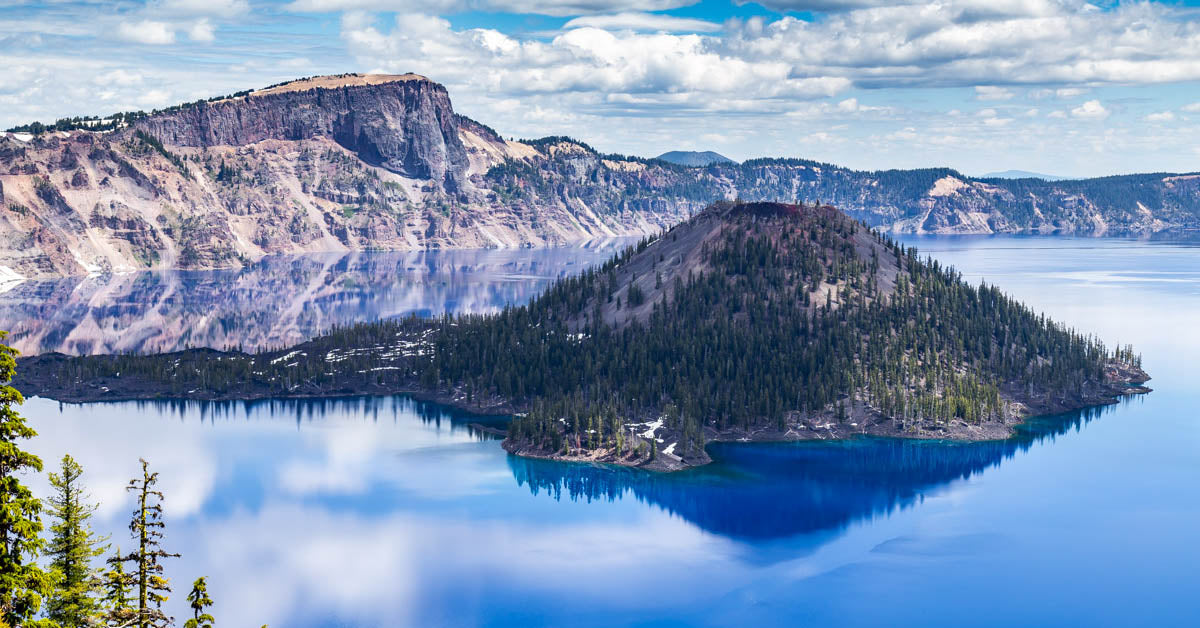
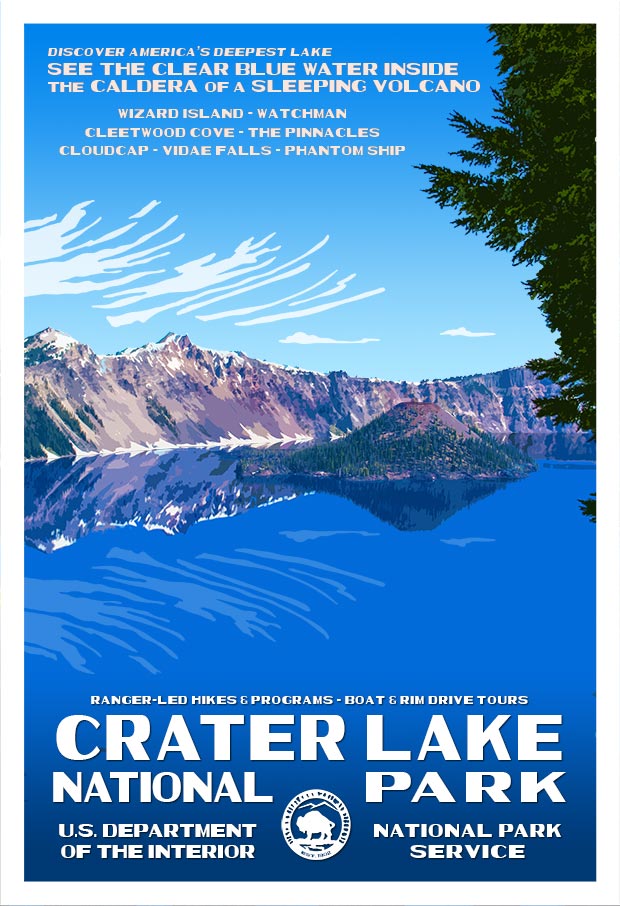
Crater Lake National Park is one of the most unforgettable places in the American West. Known for its impossibly deep blue water, dramatic volcanic setting, heavy snowfall, and iconic Wizard Island, it offers everything from summer boat tours and Rim Drive views to winter snowshoeing, skiing, and backcountry adventure.
Set high in Oregon’s Cascade Range, Crater Lake is the deepest lake in the United States and one of the clearest lakes in the world. Fed by rain and snow, its purity and striking color have made it a magnet for photographers, artists, and national park travelers for generations.
I’m Rob Decker, a photographer and graphic artist with a deep love for America’s national parks. I’ve visited 55 of the 63 national parks, and Crater Lake is one I highly recommend. Whether you visit during the summer for full park access or come in winter for snowy solitude and cold-weather adventure, there’s a lot to experience here. This guide covers some of the best things to do in Crater Lake National Park and how to plan your visit.
The best things to do in Crater Lake National Park include:
- Driving or cycling Rim Drive
- Taking a boat tour to see Wizard Island
- Snowshoeing and skiing in winter
- Camping in Mazama or Lost Creek Campground
- Fishing, hiking, and backcountry camping
Why Crater Lake National Park Is So Special
Crater Lake never stops amazing people. Its vivid blue water, dramatic caldera, and mountain setting make it one of the most visually striking national parks in the country. It is also one of the snowiest inhabited regions in the United States, which means the park transforms dramatically from season to season.
That heavy snowfall shapes the visitor experience. In winter and spring, road closures often limit vehicle access. Rim Drive and the North Entrance typically close with the first major October snowstorm or by November 1, whichever comes first. Plowing usually begins in mid-April, but reopening dates vary depending on conditions. In some years roads reopen by mid-May, while in others the full East Rim Drive may not open until late July.
- Summer offers the most access to roads, trails, campgrounds, and boat tours
- Winter offers quieter, snow-filled adventures and a very different park experience
- Road openings can vary significantly from year to year depending on snowfall
Embrace Winter Activities at Crater Lake
Crater Lake is a dream destination for winter lovers. With average snowfall measured in dozens of feet, the park becomes a snowy playground for skiers, snowshoers, and adventurous visitors looking for open slopes, forested routes, and dramatic rim views.
Ranger-guided snowshoe walks are one of the most popular winter activities in the park.
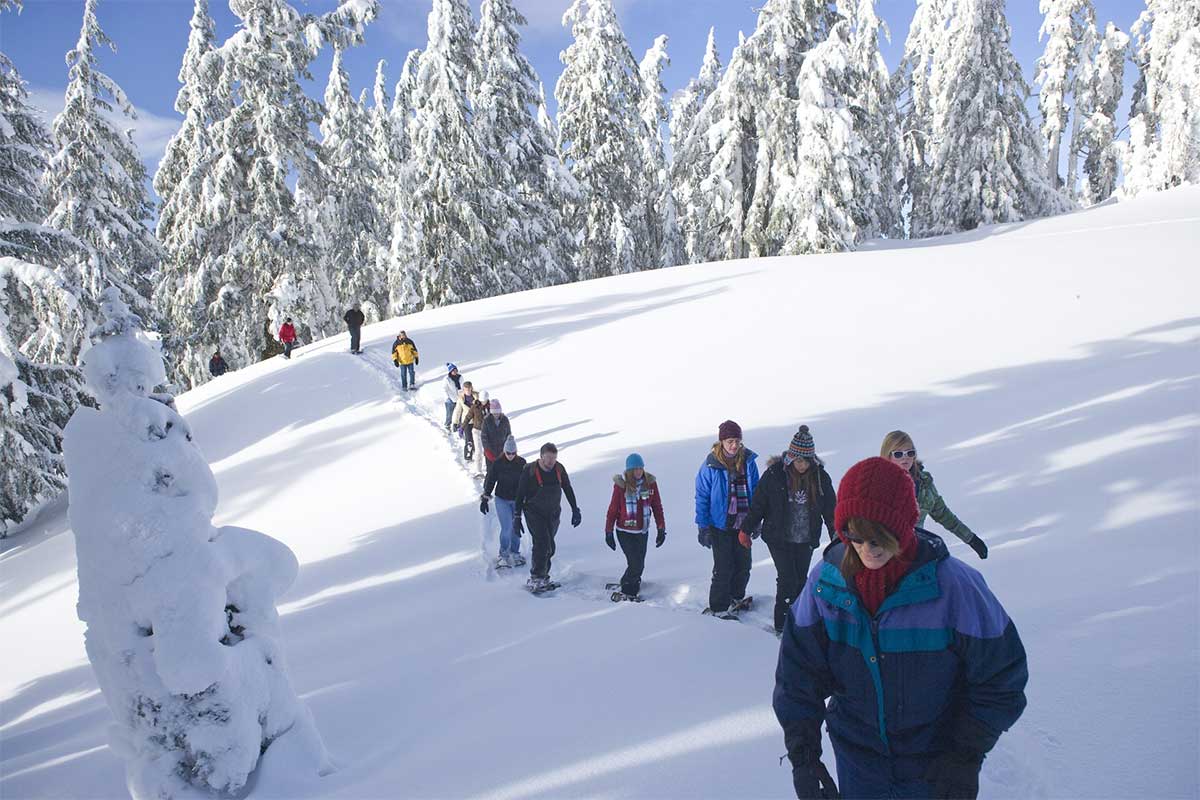
- Typically cover 1 to 2 miles over moderate-to-strenuous terrain
- Usually last around two hours
- Often begin at Rim Village and explore subalpine forests and meadows
- Snowshoes are provided free, or you can bring your own
- No prior experience is required
There are many places where visitors enjoy sledding, but there are no designated sled hills. Choose gentle slopes with open runouts and avoid roads, parking lots, the caldera, trees, and other obstacles.
These are allowed in the park, but there are no chairlifts, and they are prohibited in the caldera. Skiers and snowboarders must hike up before riding down, know their routes, and be prepared for avalanche terrain and self-rescue.
Winter also opens up excellent opportunities for cross-country skiing and independent snowshoeing, especially around Rim Village and portions of West Rim Drive. There are no groomed routes, but the scenery is outstanding.
Cycling and Road Biking at Crater Lake
If you prefer to experience parks on two wheels, Crater Lake can be incredibly rewarding. The 33-mile Rim Drive is physically demanding, with steep grades and high elevation, but the scenery is spectacular and the pace allows you to absorb views that many visitors only glimpse from a car window.
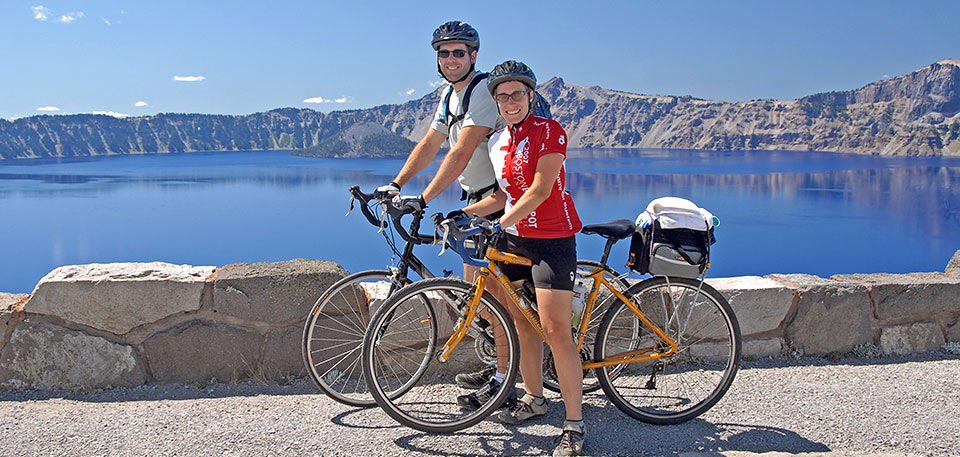
- Expect steep downhill sections and high speeds
- Watch for rocks, animals, and traffic
- Roads rarely have shoulders and there are no bike lanes
- Bicycles are not allowed on park trails
- Water is available only at Rim Village, Park Headquarters, and Mazama Village
Mountain biking opportunities
Crater Lake does not have single-track mountain biking trails, but Grayback Drive offers an eight-mile dirt road with no vehicle traffic, which can be a good option for riders looking for a quieter off-pavement experience.
Winter fat tire biking
Fat tire biking is currently not allowed on winter trails within the park.
Take a Boat Tour on Crater Lake
One of the most memorable ways to experience Crater Lake is from the water. Boat cruises and shuttle service to Wizard Island offer a perspective that you simply cannot get from the rim.
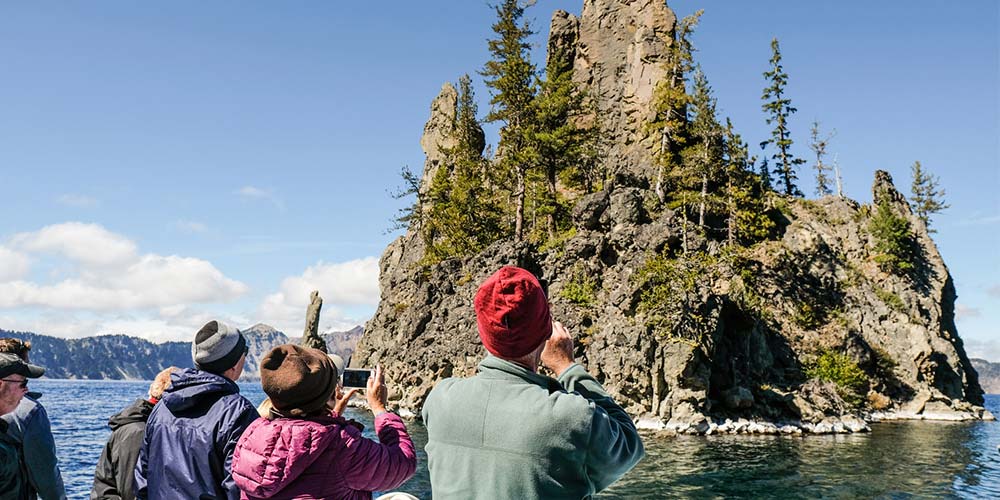
These tours do require effort. The hike down to the dock and back is a strenuous 2.2-mile round trip with about 700 feet of elevation change. For many visitors, though, the reward is absolutely worth it.
- Best for visitors who want a unique view of the lake
- Great option if Wizard Island is on your list
- Be prepared for a strenuous hike to and from the dock
Camping at Crater Lake National Park
Camping is one of the best ways to stay close to the action at Crater Lake, especially in summer when the park is fully open.

A smaller, tents-only campground on the road to Pinnacles Overlook, usually open from early July to mid-October. In peak summer, it often fills by mid-afternoon.
Located about seven miles south of Rim Village near Highway 62, Mazama sits in a forested setting and operates during the summer season.
Backcountry camping
For a more immersive experience, Crater Lake also offers backcountry camping. The park has more than 90 miles of hiking trails in summer, and overnight backcountry stays require a free permit from the ranger station.
- Camp at least 1 mile from any road
- Camp at least 100 feet from water sources and trails
- No campfires in the backcountry
- Use camp stoves
- Follow Leave No Trace principles and pack out all trash and waste
Fishing and Summer Recreation
Fishing is allowed in Crater Lake and nearby streams without a license, and there are no limits on the size, species, or number of fish you can catch. To help protect native fish populations, only artificial lures and flies are permitted.
Crater Lake also supports a wide range of summer recreation, from scenic viewing and hiking to camping, cycling, and photography. It’s a park where the setting itself becomes the experience.
We hope this guide helps you plan an unforgettable trip. Whether you come for the deep blue water, the rim views, the boat tours, or the snowy winter landscape, Crater Lake has a way of staying with you.
For additional information, please don’t hesitate to Contact Us or visit the National Park Service’s official Crater Lake National Park page.
FAQs About Crater Lake National Park
What is the best time to visit Crater Lake National Park?
Summer offers the most access to roads, trails, and facilities. Winter is best for snow sports and a quieter, snow-covered experience.
Is it safe to swim in Crater Lake?
Yes, swimming is allowed, but the water stays cold, often around 55°F in summer. Use caution and be prepared for chilly conditions.
Are pets allowed in the park?
Pets are allowed in certain areas if leashed, but they are not permitted in public buildings or on some trails.
What wildlife might I see in Crater Lake National Park?
Wildlife in the park includes black bears, cougars, elk, deer, and a variety of birds. Always view wildlife from a safe distance.
Are there food and lodging options inside the park?
Yes. Crater Lake Lodge and the Cabins at Mazama Village offer lodging, while Rim Village Cafe & Gift Shop, Annie Creek Restaurant, and Mazama Village Camper Store provide food and other essentials.
About the Artist
Rob Decker is a photographer and graphic artist who had the rare privilege of studying under Ansel Adams in Yosemite National Park when he was just 19 years old. Today, Rob is on a journey to explore and photograph all 63 of America’s national parks and create WPA-style posters that help people celebrate their own park memories and inspire future adventures.
Join our thriving community of over 125,000 National Park enthusiasts and receive insider deals and updates.